- Highlights & Achievements
Green for Planet
Living Close to Nature in a Low-Carbon Urban Home
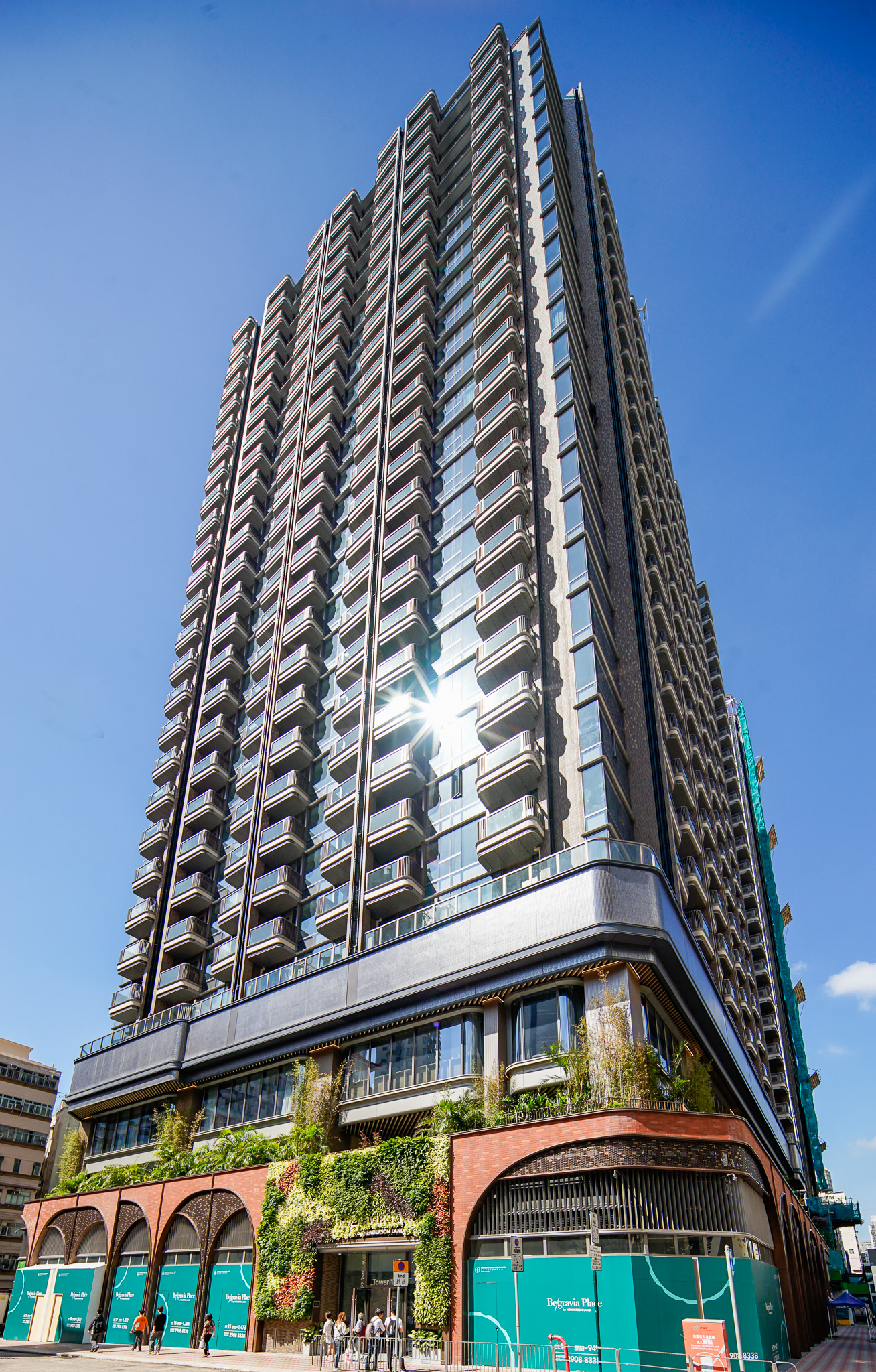
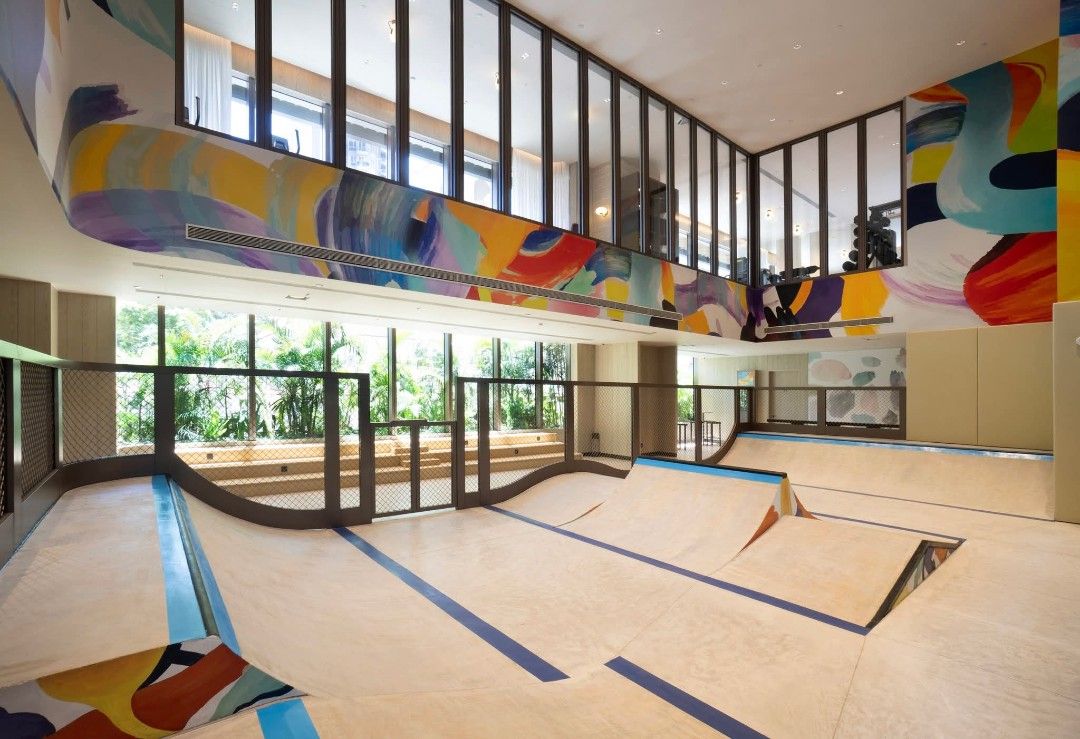
Located in an old urban district, Belgravia Place is designed to integrate city living with immediate access to nature and community amenities. Within a short walking distance, residents can enjoy the greenery of Shek Kip Mei Park or explore the quieter trails of Bishop Hill, strengthening everyday connection to outdoor spaces. Nearby, the Ex-Sham Shui Po Service Reservoir offers a link to the district’s heritage, while the commercial and transport hub of Mong Kok remains easily accessible for daily needs. This close-knit blend of nature, culture and convenience supports a balanced lifestyle and encourages low-carbon mobility through reduced reliance on vehicular transport.
To improve resource efficiency and reduce operational emissions, Belgravia Place incorporates several measures, including the installation of water-efficient fixtures that reduce overall water consumption contributes to an overall reduction of 53% water consumption of the development compared with baseline models. Other measures such as low Lighting Power Density (“LPD”) lighting design, a highly efficient Heating, Ventilation, and Air Conditioning (“HVAC”) system, and highly efficient lift system contribute approximately 15% reduction in CO2 emissions for the residential areas and an approximately 18% reduction for the clubhouse, compared with baseline models.
To further strengthen its low-carbon profile, the project adopts an integrated design strategy focused on minimising operational energy consumption. Key features include improved U-values for the building envelope, solar-control glazing, high Coefficient-of-Performancerated air-conditioning systems, and efficient lighting and lift systems. We used daylight simulations to understand how sunlight reaches different parts of the building. This helped shape the façade design which southfacing and higher floors benefit from longer daylight hours that support natural lighting and passive heating, while the northfacing towers experience more shading due to their orientation. These findings guided our use of sun shading devices to balance thermal comfort, minimise heat gain, and reduce reliance on artificial lighting and cooling.
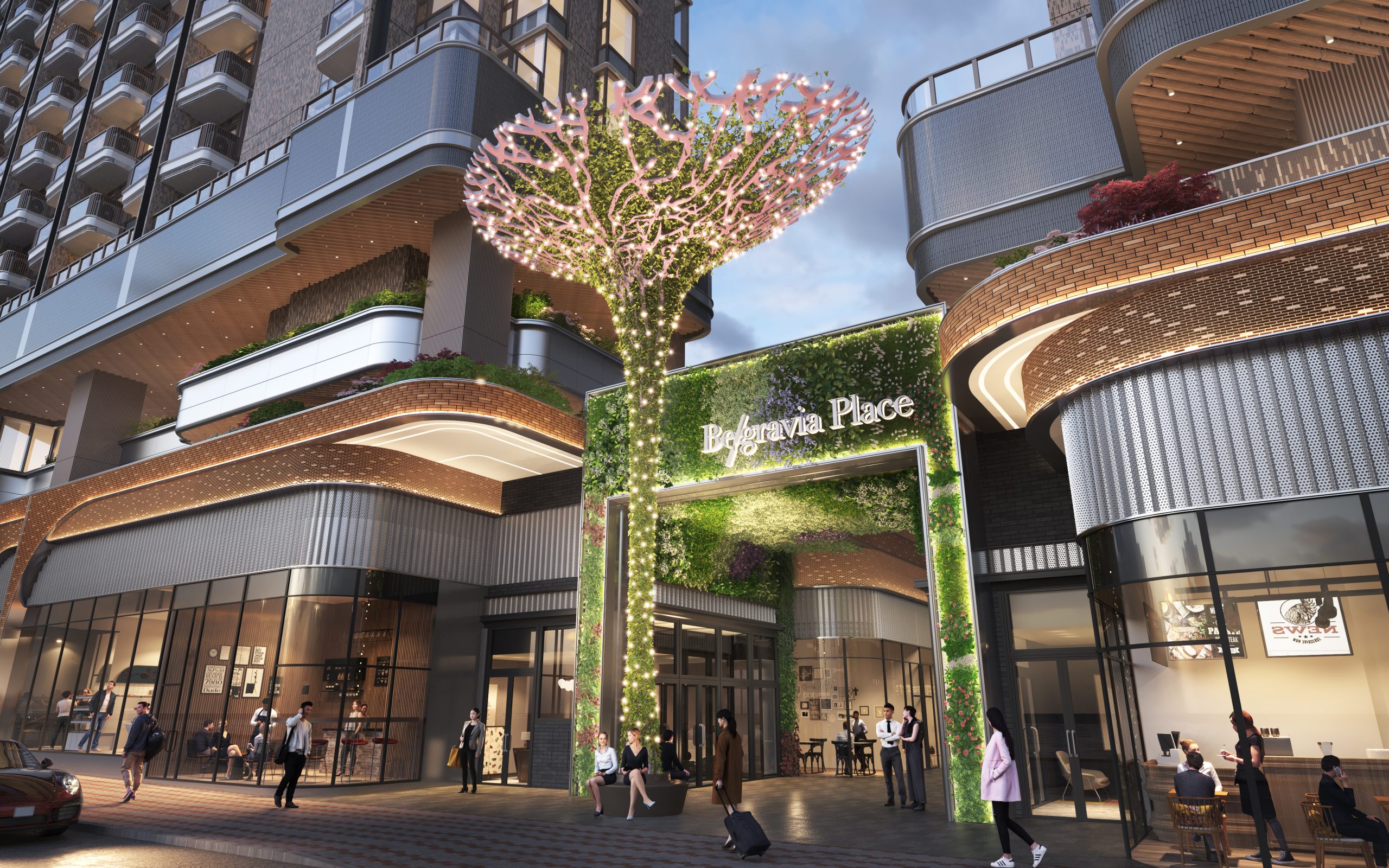
Architecturally, the façade blends traditional brickwork with a modern vertical rhythm, presenting the surrounding urban context with a clean, timeless expression. The palette is selected for durability, daylight response and ease of maintenance, supporting long-term environmental resilience by reducing the need for frequent repairs and minimising the energy consumption throughout the building’s lifespan. At the junction between the residential towers, the “Eco Tree”, which is a sculptural installation fusing art, nature and sustainability, also acts as a biophilic gateway that draws pedestrians into the commercial podium.
Taken together, these design and operational measures are supported by a long-term, whole-life view of the development. A life cycle assessment using the CIC Carbon Assessment Tool calculates that the embodied carbon of Belgravia Place approximately 25,000 tCO2 e covering the entire cradle-to-site phase. This complements its operational efficiency initiatives and reinforces a consistent low-carbon approach across the building life cycle.
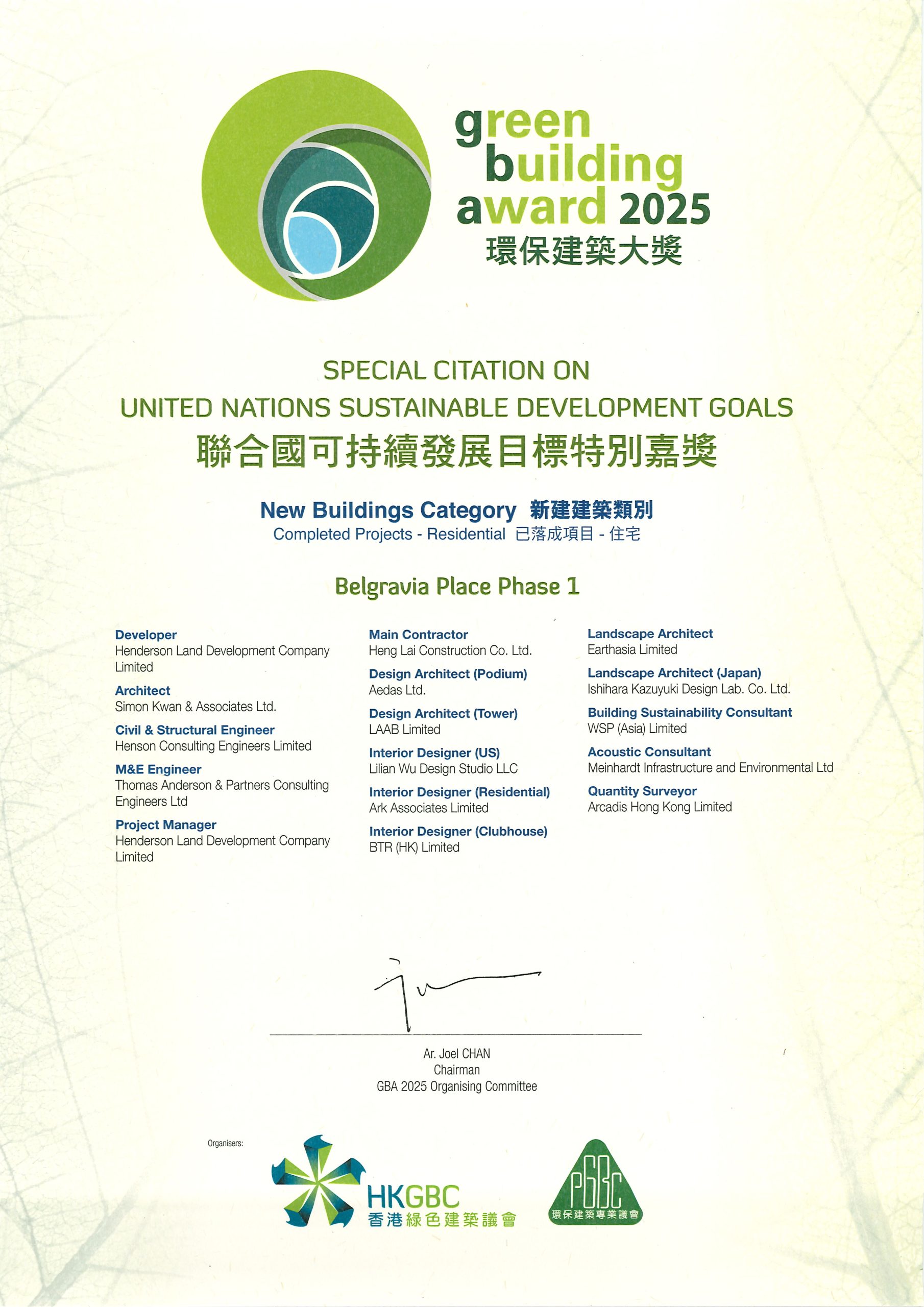
These efforts contributed to the project achieving BEAM Plus Provisional Gold, WELL Precertification Gold, CGBL 3-star Pre-assessment, CHBL Gold Certification, and Green Building Award 2025 Special Citation on UN Sustainable Development Goals, reflecting alignment with recognised environmental and health-related performance standards.
Related Articles

Green for Planet
In November 2024, Hang Yick and Well Born took the lead in an impactful venture combining sustainability with social responsibility. In collaboration with Hanin Group and its ESG-focused brand, ESG School HK, Hang Yick and Well Born repurposed 7,000 used uniforms into 400 special eco jackets for students at Mary Rose School in honour of its 55th anniversary. Inspired by ESG School HK’s ethos of eco-friendly school attire, incorporating innovative BioNTex™ antimicrobial coating techniques, Hang Yick and Well Born facilitated this distinctive partnership to convert old uniforms into fresh products, effectively showcasing the potential of resource renewal.
Green for Planet
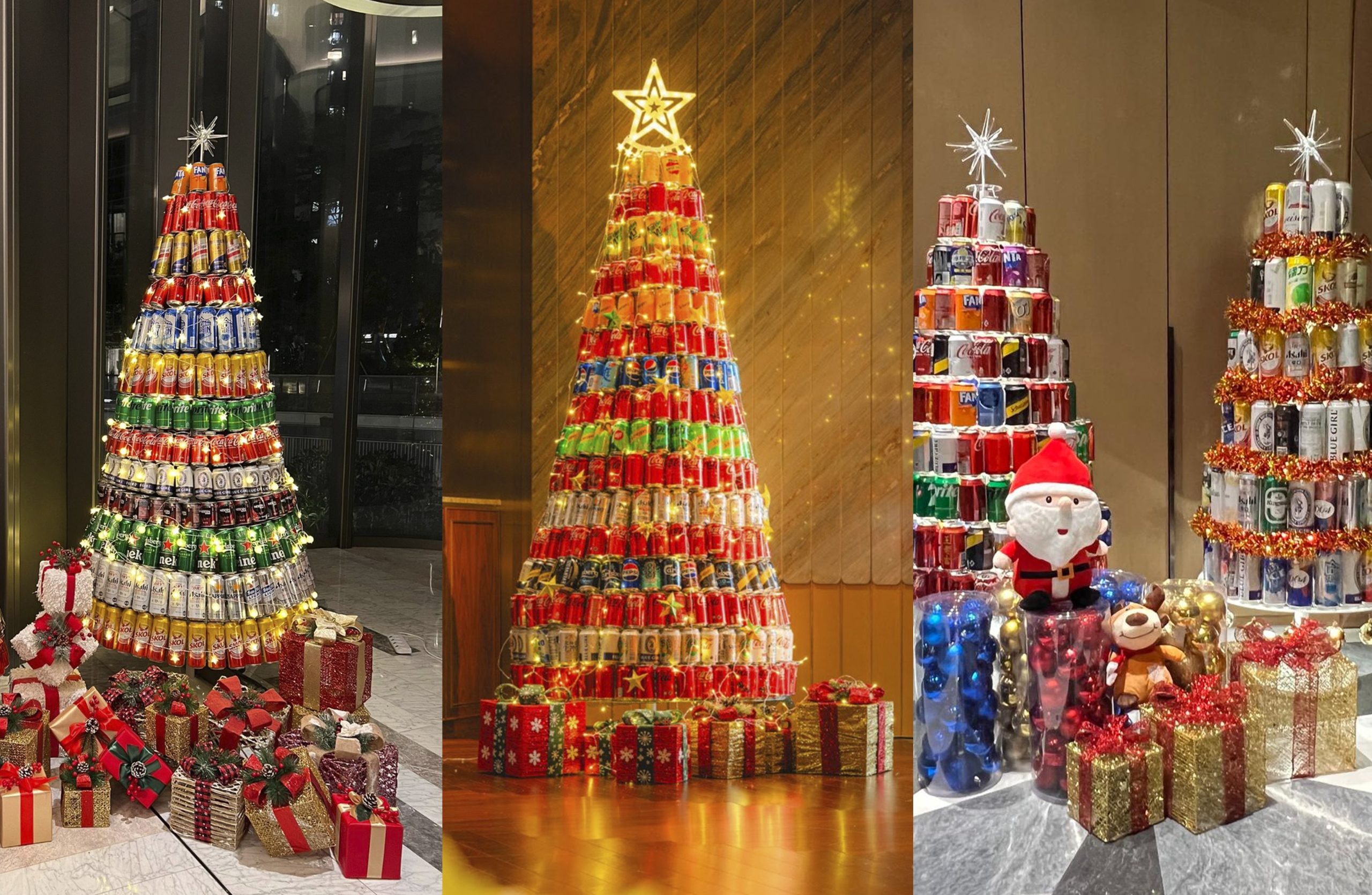
In November 2024, Henderson Land launched the We CAN! ESG Christmas initiative, an aluminium can recycling programme spanning over 200 of our properties, including flagship developments such as The Henley, One Innovale, and Square Mile. The initiative aimed to promote sustainable habits among residents and tenants while infusing the festive season with environmental awareness. The collected cans, over 10,000 in total, were creatively transformed into over 200 Christmas trees, adorned with sparkling lights, and displayed in lobbies and clubhouses at various properties. These unique decorations not only enhanced the festive atmosphere but also served as a powerful reminder of the importance of recycling and reusing materials in daily life.

Green for Planet
New Central Harbourfront Site 3
The New Central Harbourfront Site 3 is a visionary and iconic landmark created by Henderson Land. The project is a blending of architectural forms and spaces articulated with landscape elements into a symbolic bridge that connects inner Central with Victoria Harbour. This ambitious project features over 28,000 m2 of landscaped spaces, creating a vibrant living oasis in the heart of Hong Kong. With 24-hour public access, Site 3 is set to offer a sanctuary for relaxation and recreation amidst the dynamic urban environment.